
Enter
FEMALUMA Gallery – Rio de Janeiro, 2026
FEMALUMA Gallery – Rio de Janeiro, 2026
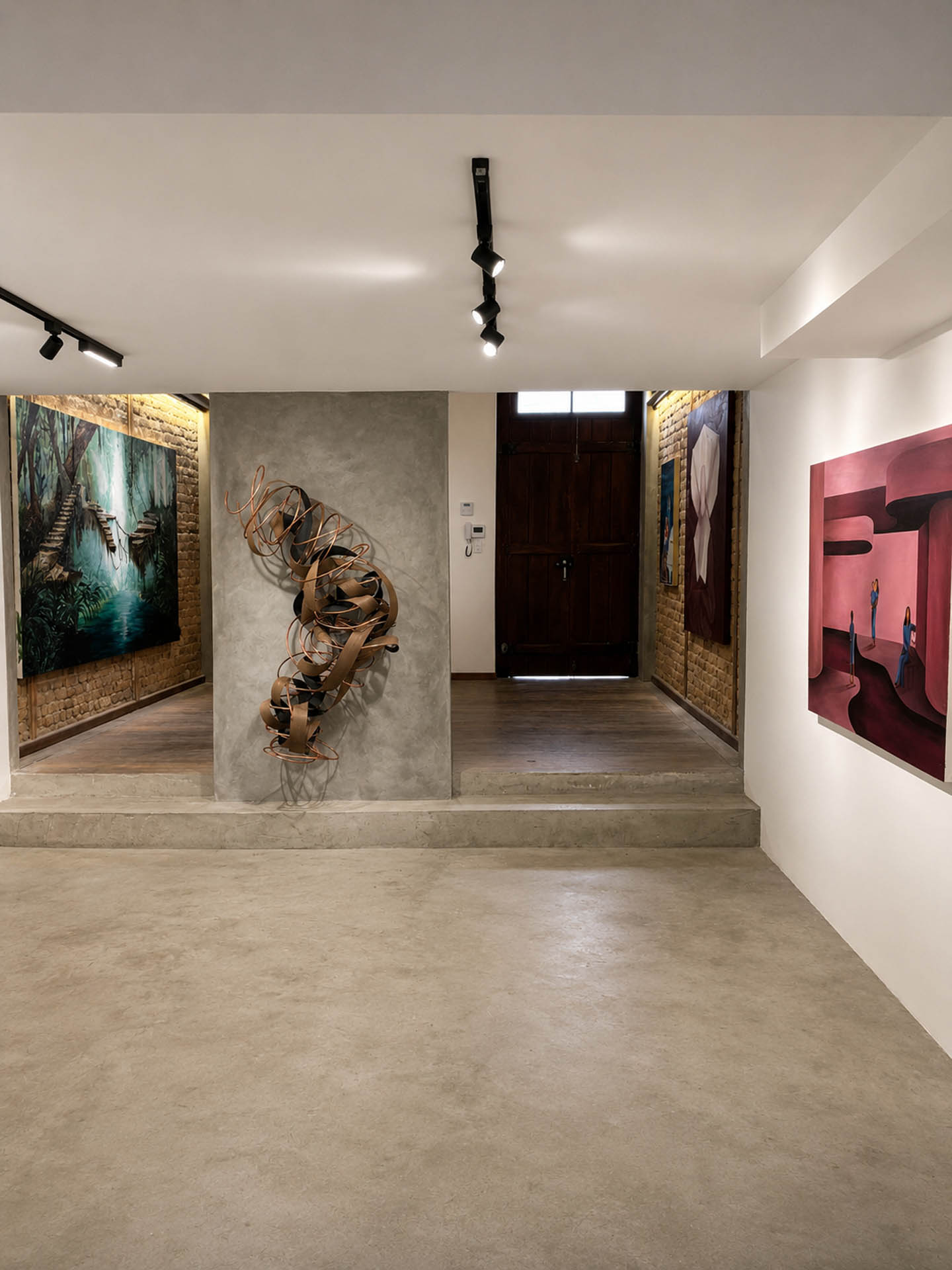
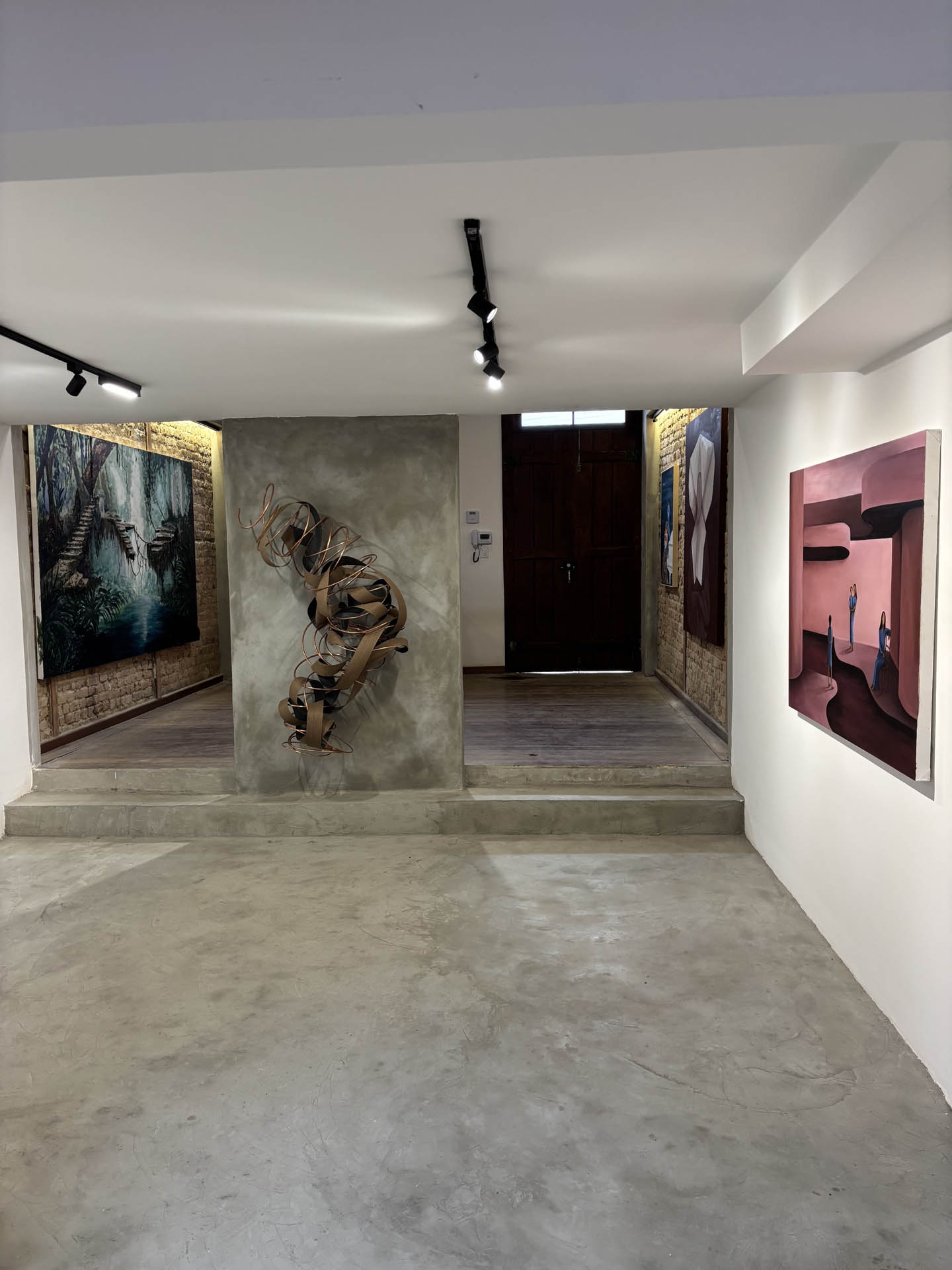
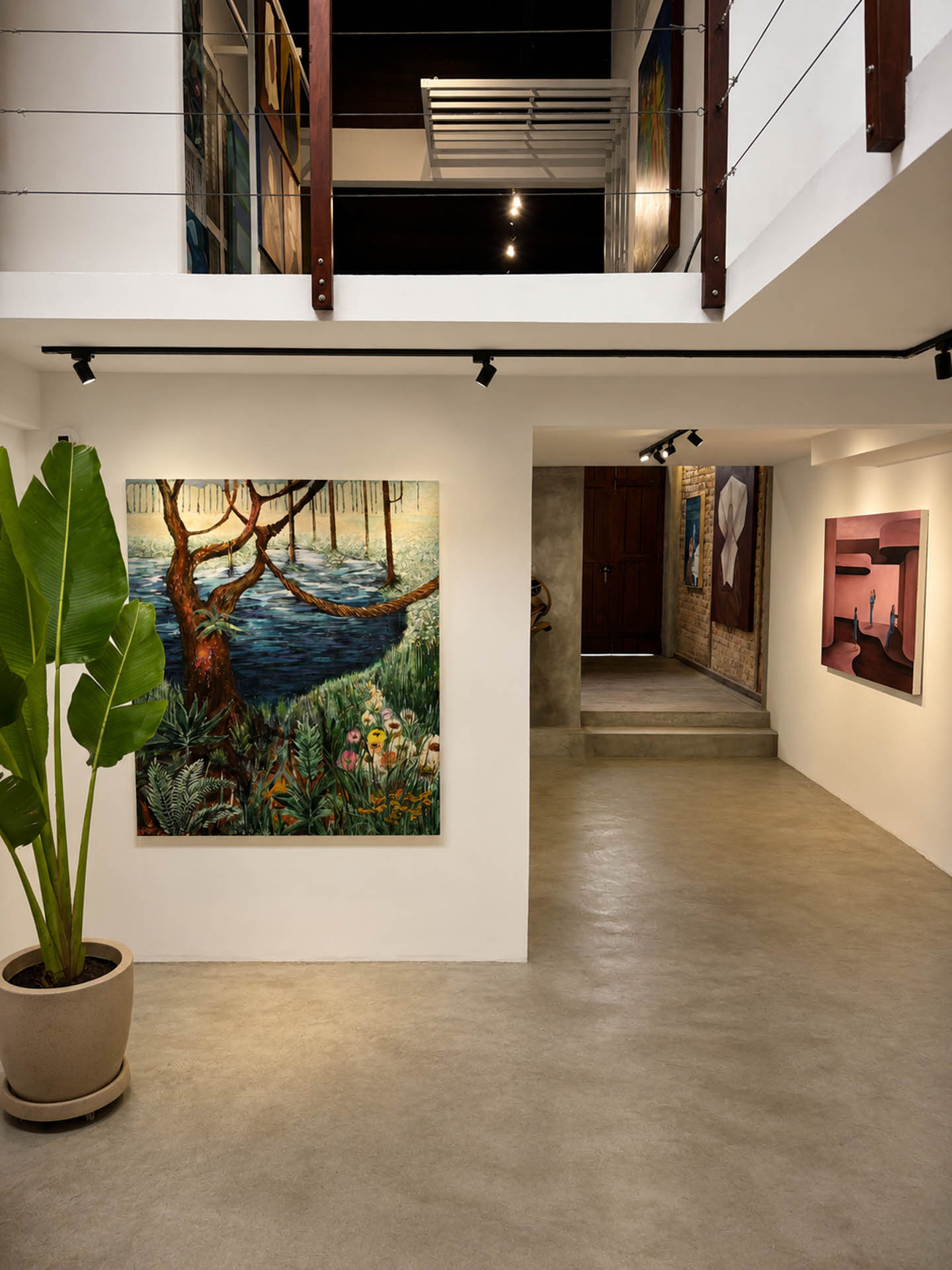
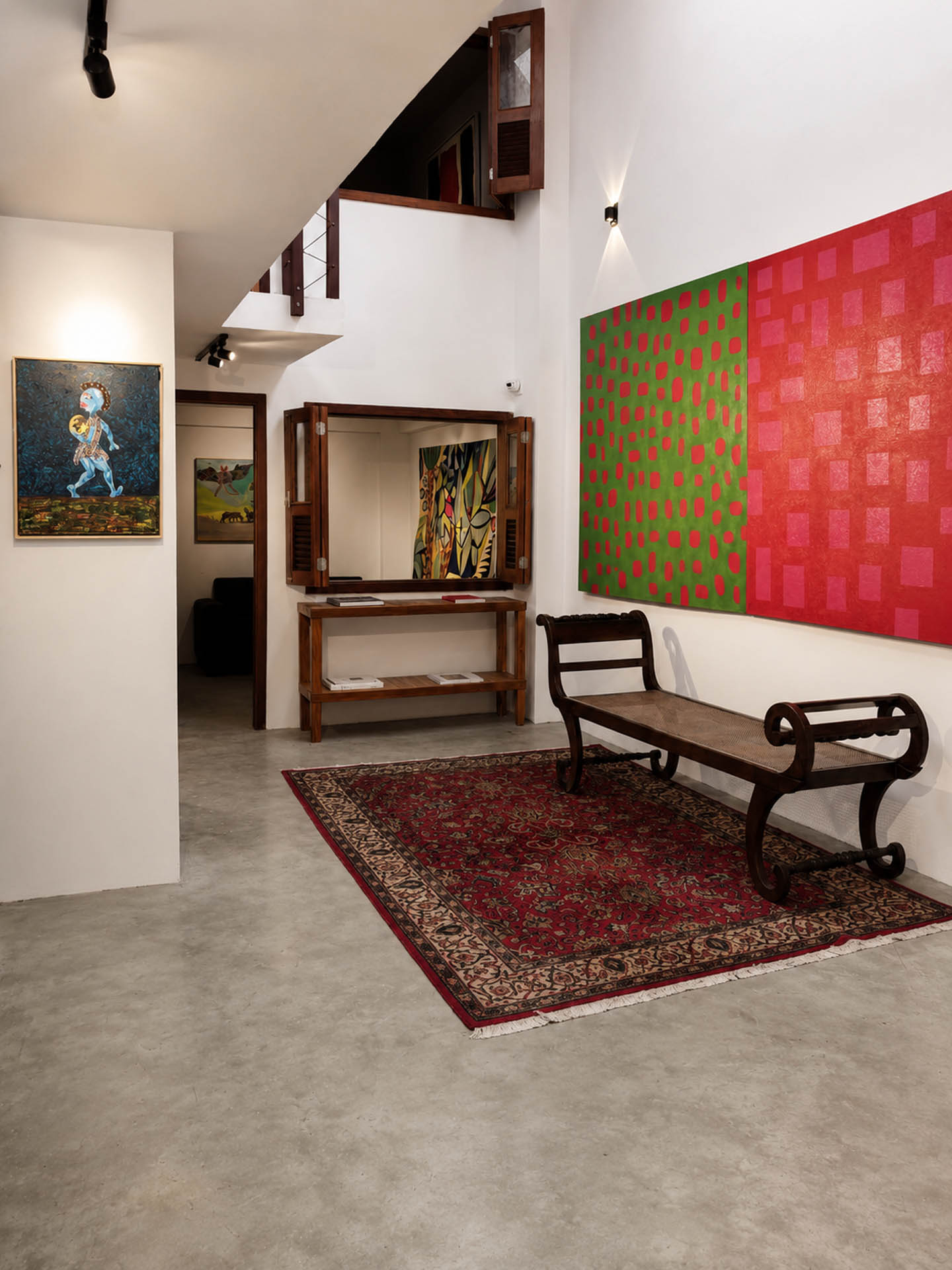
A house in Horto, Rio de Janeiro. Walls that hold the silence of those yet to arrive and the promise of all that is to come.
FEMALUMA opens its doors in Rio de Janeiro with an exhibition that does not separate past and present. Instead, it folds them over one another, much like Amilcar de Castro folded iron: with precision, strength, and the truth that, within the tension between planes, one of art’s most vital forms resides.
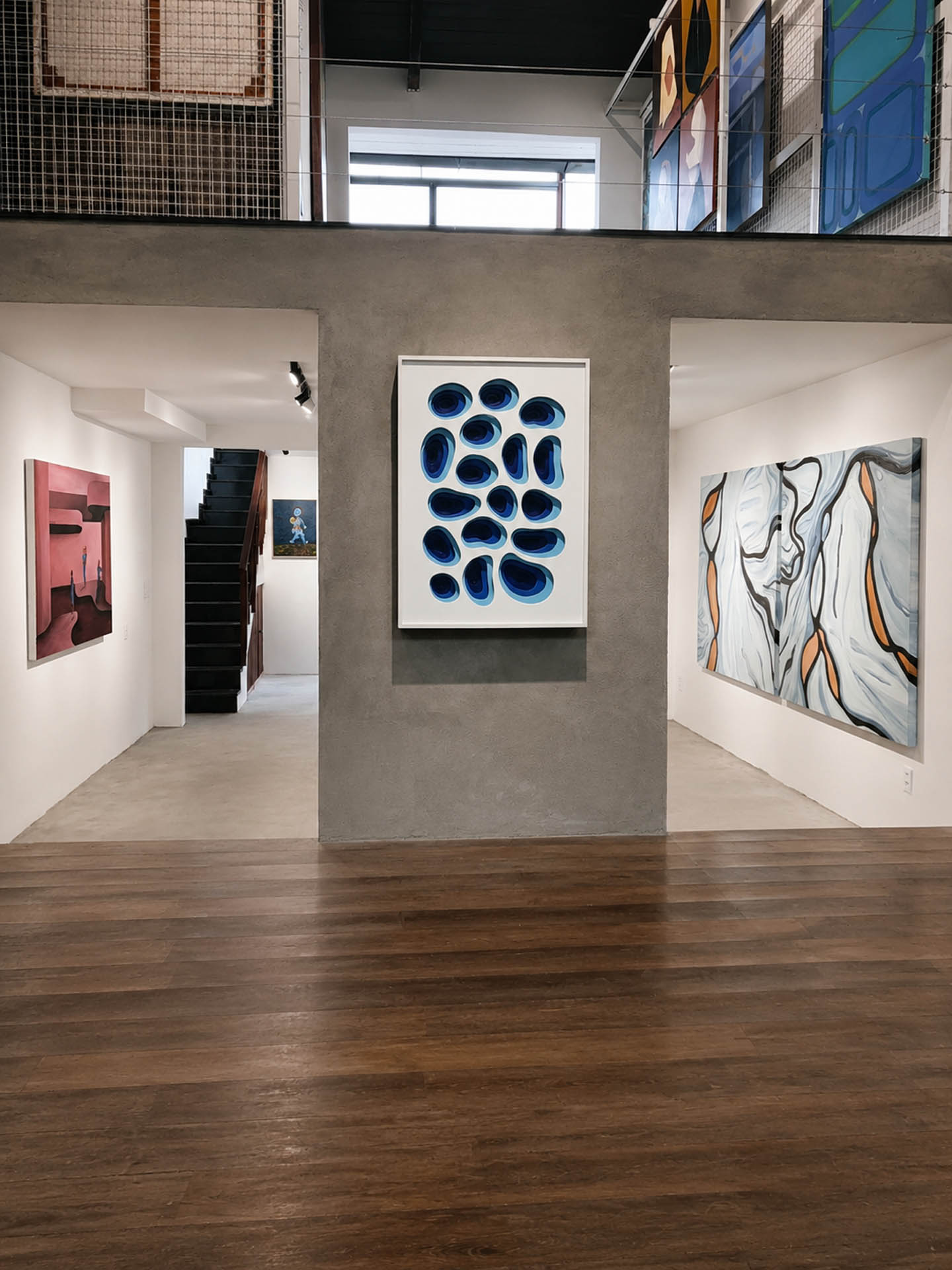
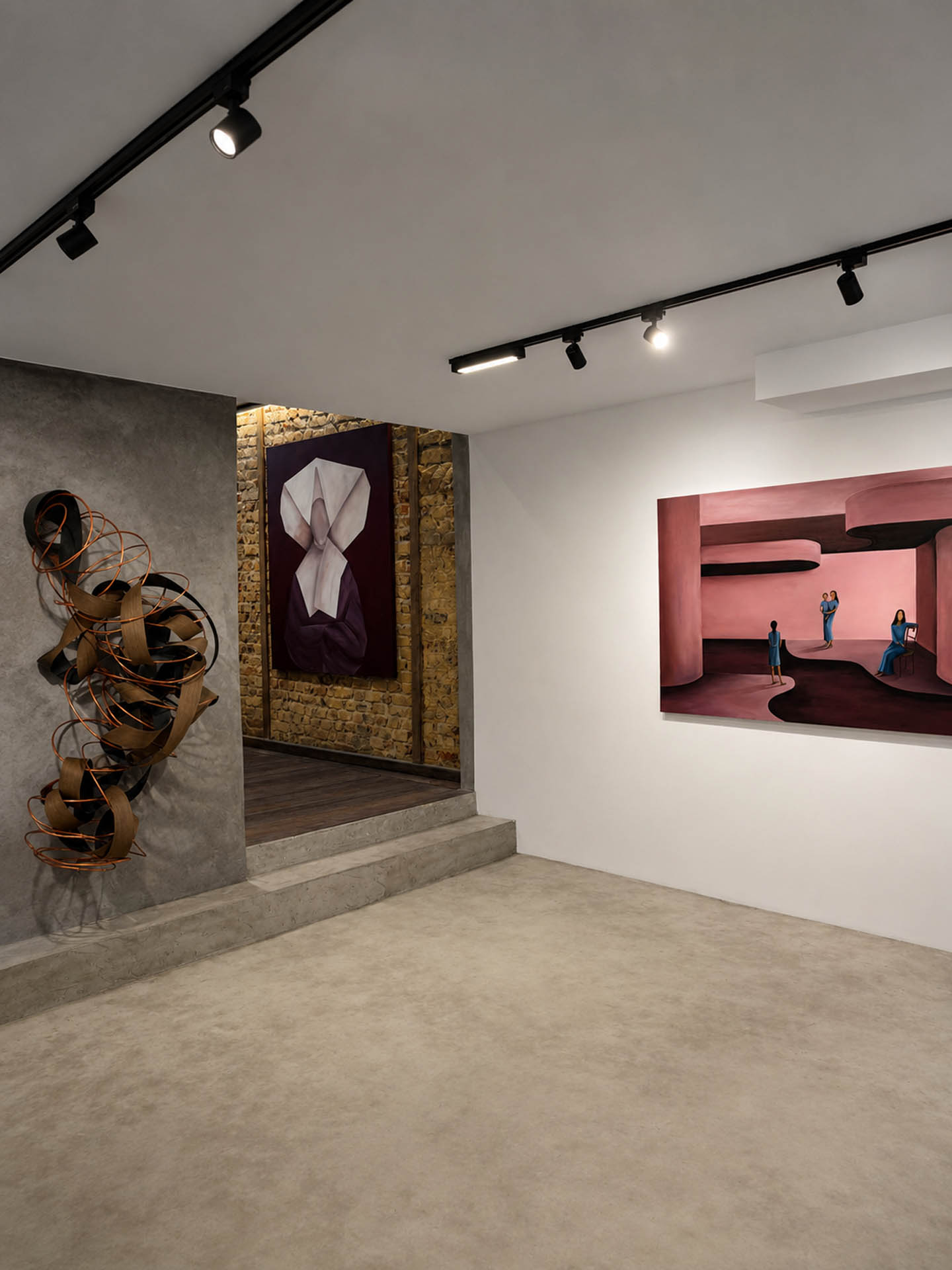
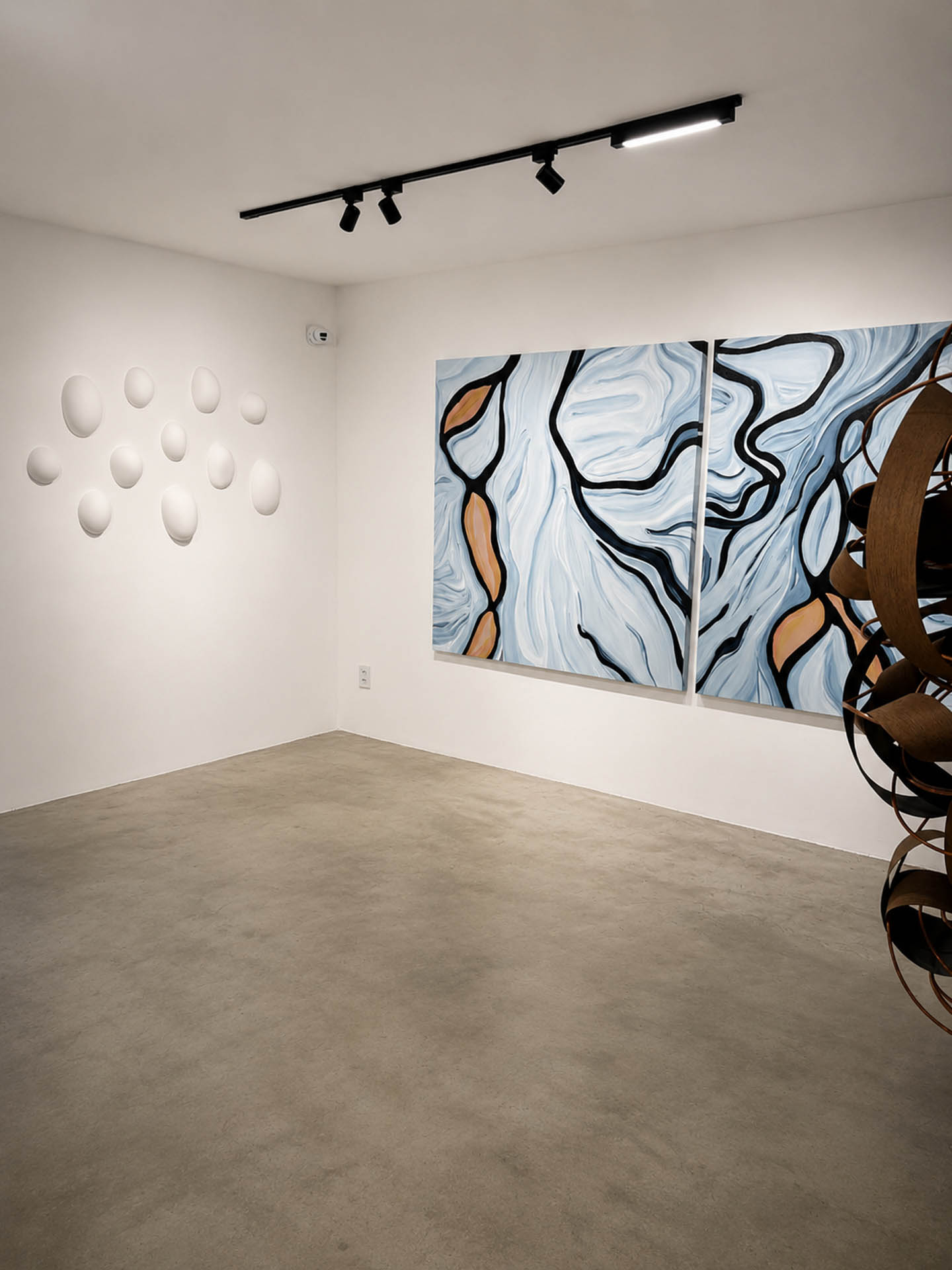
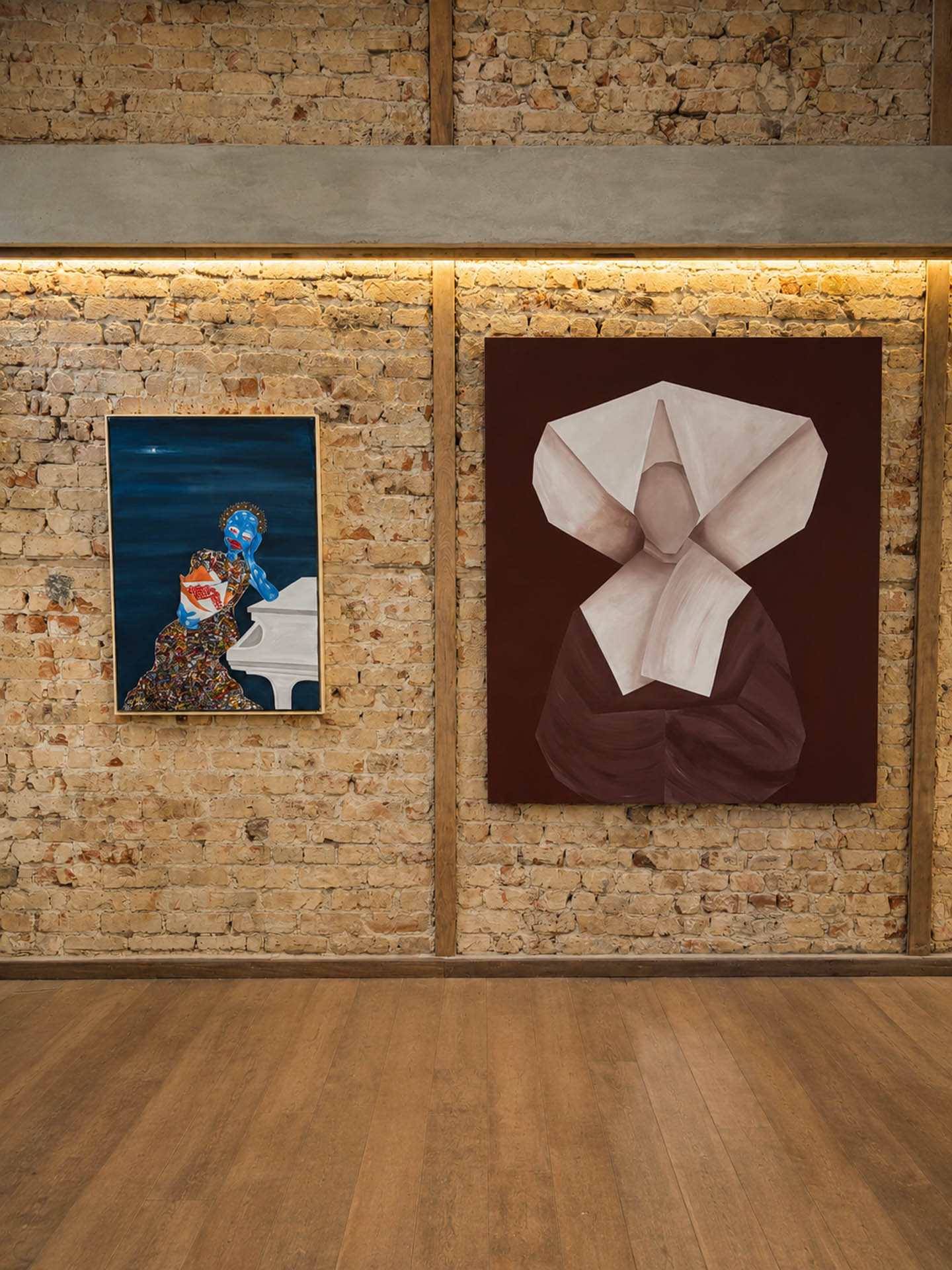
In the house’s initial rooms, artists from the gallery’s program—Suzana Queiroga, Marcelo Lamarca, Joana Tubal, Frida Baranek, Rebeca Sellitti, Famakan Magassa, and Ana Coutinho—present works that investigate the body, matter, memory, and the sacred. These are eight voices speaking of the time we inhabit. And among them lies a particularly significant presence in this city: that of artists who continue to reinvent the way we see and inhabit the world.
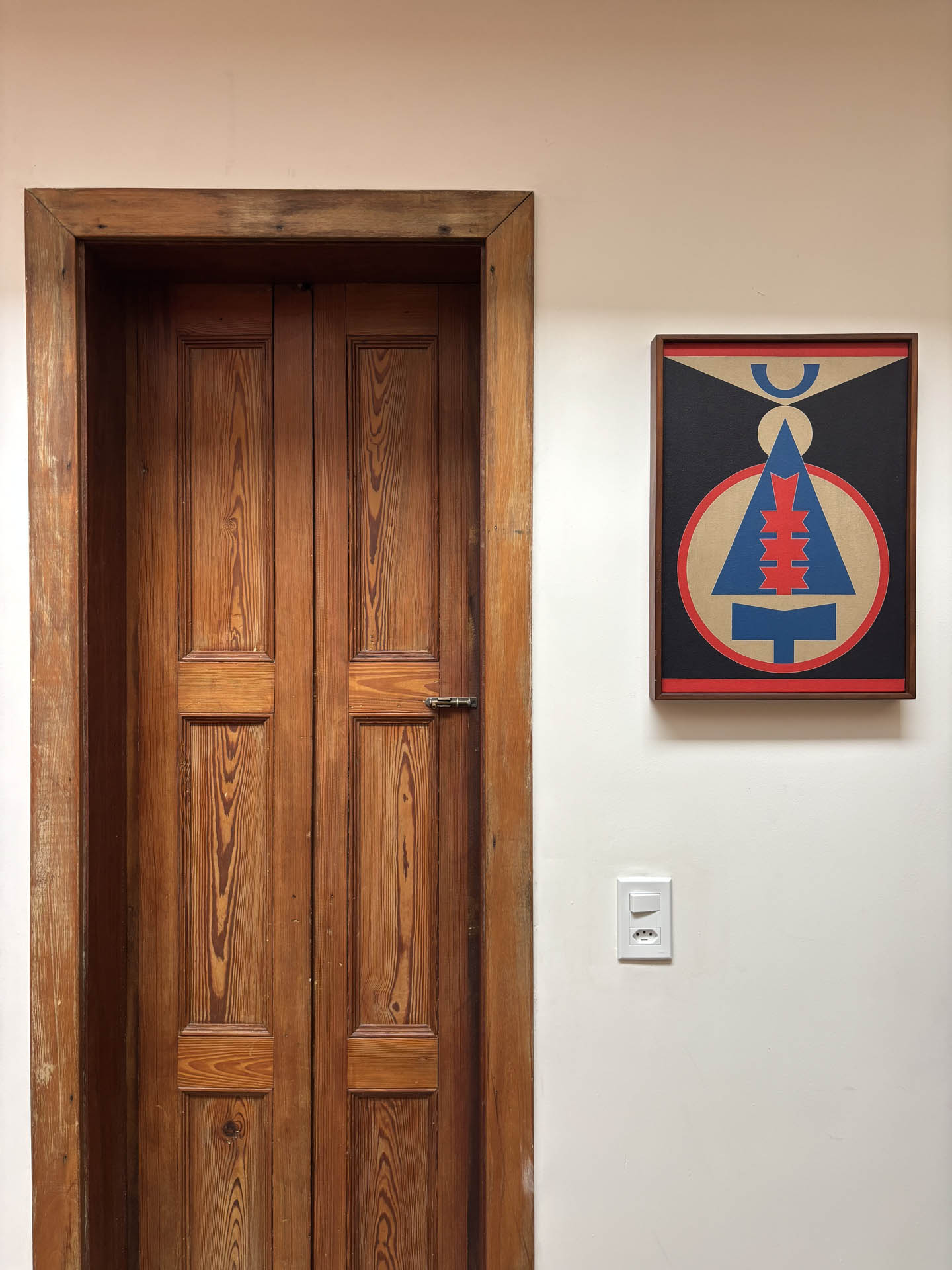
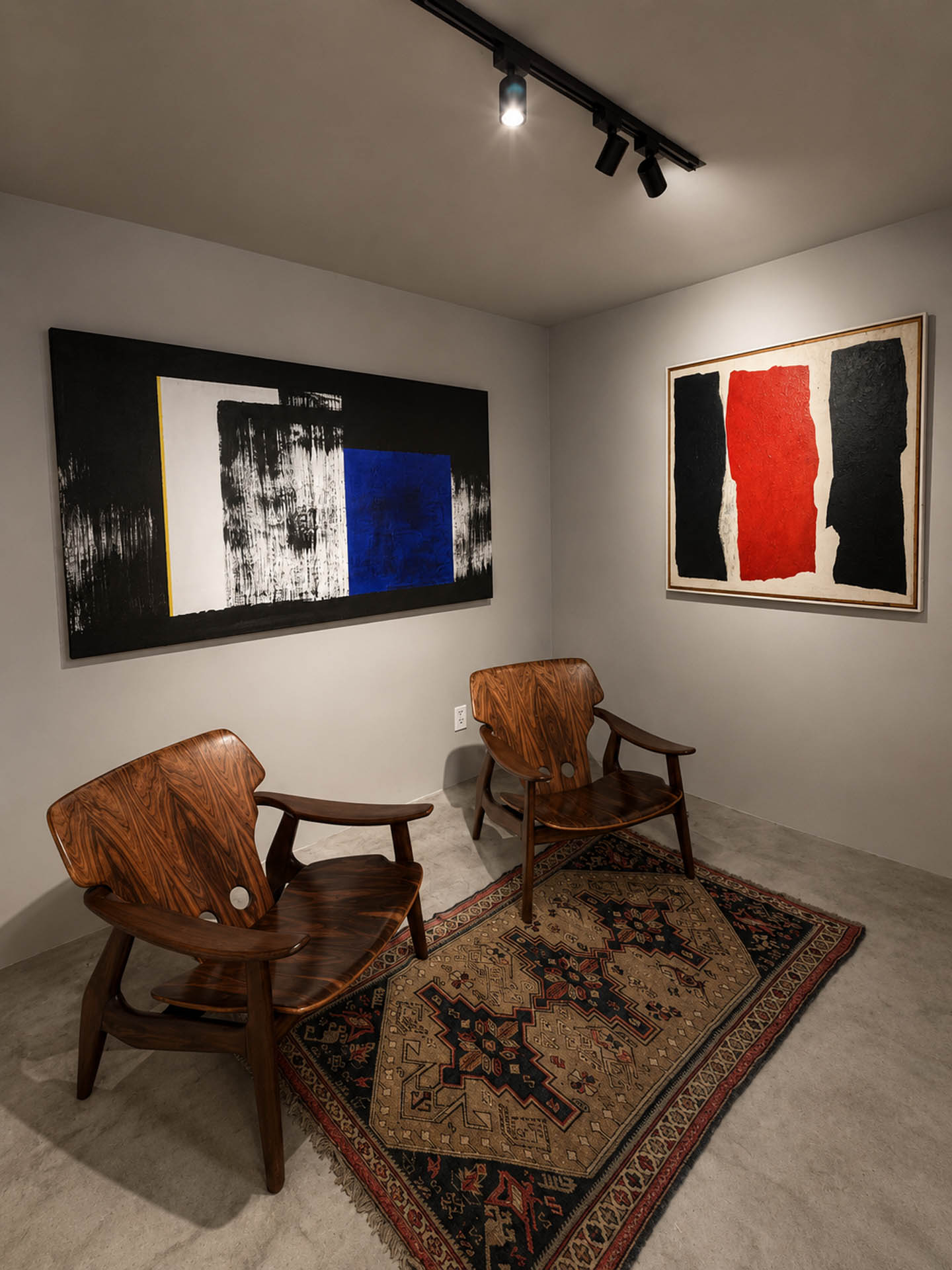
In the subsequent spaces, works from the secondary market build the historical context that underpins these contemporary voices. Tomie Ohtake appears in her mature abstract phase—featuring an iconic 1968 piece—in dialogue with Amilcar de Castro and his geometric fold transformed into a radical gesture. Rubem Valentim and his enchanted geometry, where formal rigor meets the symbolic power of the *orixás*. Antonio Bandeira and the lyricism of an abstraction that transcended borders.
Brazilian figurative art unfolds across three equally powerful universes. Glauco Rodrigues and his critical *Tropicalism*, in which Carnival, landscapes, and national myths appear infused with both irony and affection. Chico da Silva and his innocence expressed through vibrant color clusters. And Genaro de Carvalho, a pioneer of an exuberant visual style that transformed flora, fauna, and the female figure into symbols of a *Brasilidade*—a Brazilian spirit—that is simultaneously popular, sophisticated, and deeply original.
Click to enlarge